
01
Biomass carbonization
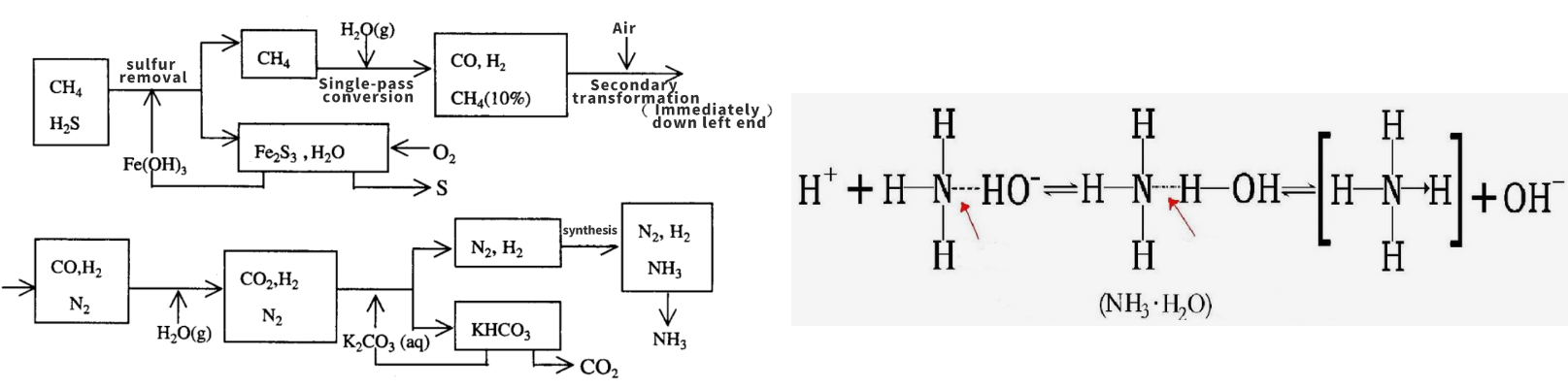
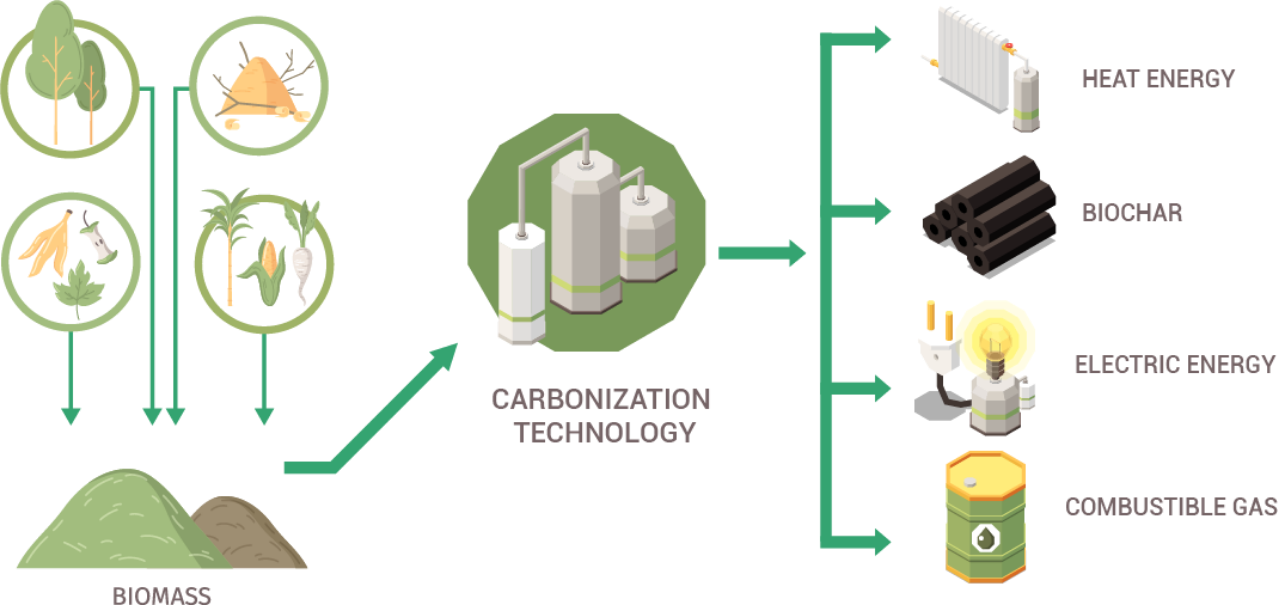
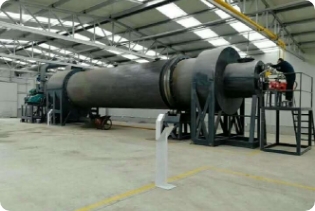
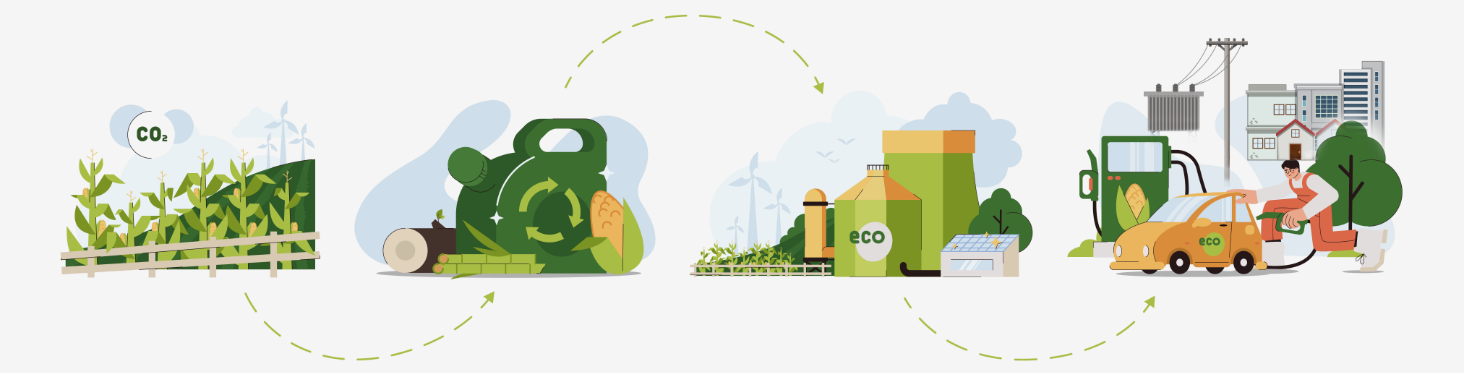
Biomass is converted to carbon through the carbonization process, while releasing carbon dioxide, hydrogen and other gases. These gases are one of the raw materials for ammonia synthesis.
02
Gas purification
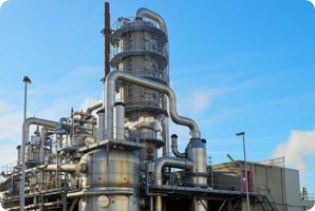
The gas released from the biomass carbonization process contains some impurities, such as sulfide, nitrogen oxides, etc., which need to be purified. The purification process includes steps such as dust removal, desulfurization and nitrogen removal to ensure the smooth progress of subsequent ammonia synthesis.
03
Syngas preparation
The purified gas undergoes further chemical reactions to produce syngas. Syngas is mainly composed of hydrogen and nitrogen, and is one of the basic raw materials for ammonia synthesis.
04
Ammonia synthesis
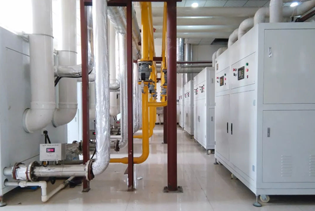
Under the action of high temperature and pressure and the catalyst, the hydrogen and nitrogen in the synthesis gas react to produce ammonia. This process requires controlling reaction conditions, such as temperature, pressure, catalyst, etc., to improve the productivity and purity of ammonia.
05
Product separation and storage
The generated ammonia is separated and stored and can be used in fertilizer, chemical raw materials and other fields.